
Sfax
Sfax is the second city of Tunisia and the centre of its olive trade, and its medina is one of the least altered in North Africa. The walls still stand the whole way round, and the souks inside them still work for the city rather than for visitors.
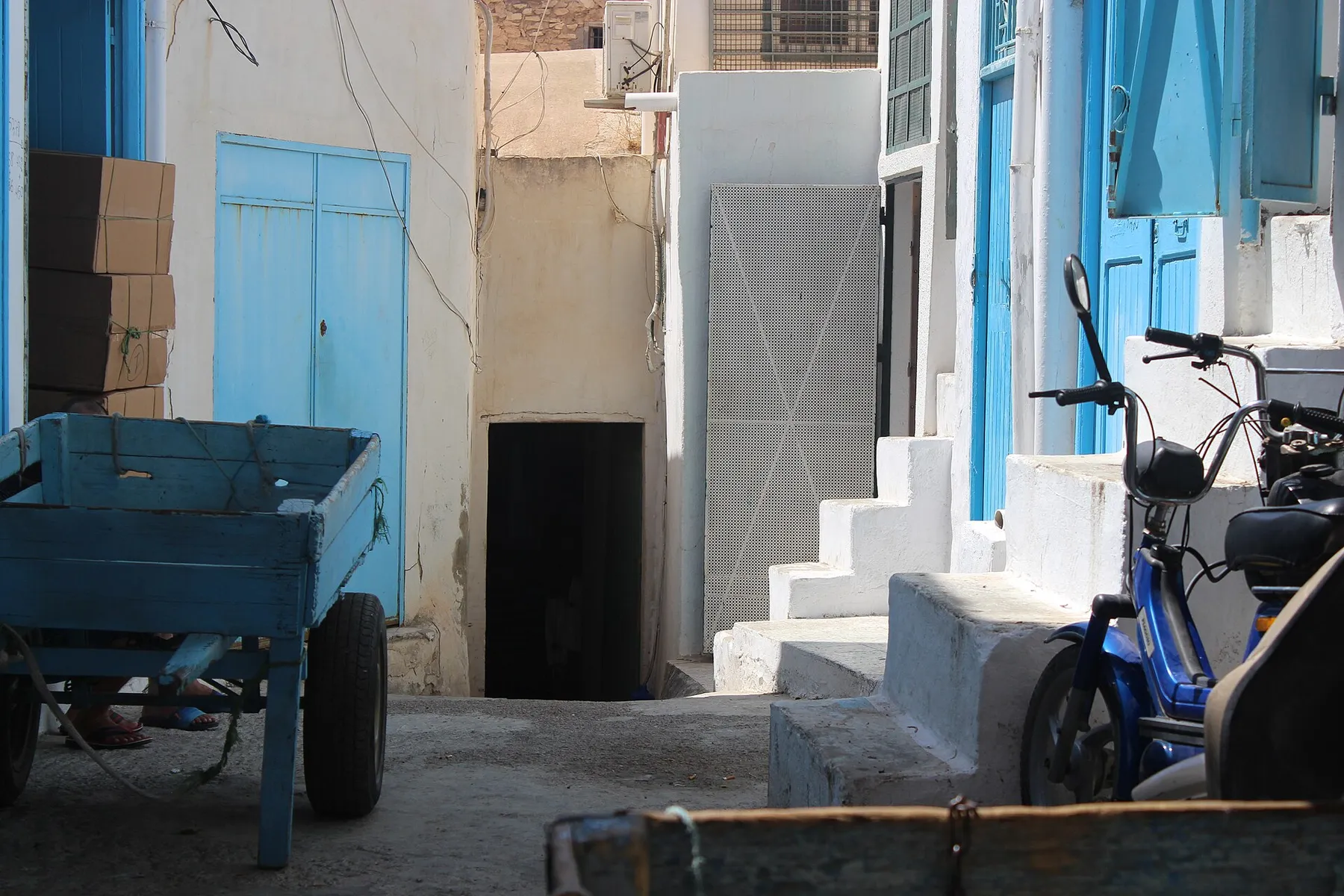
- Time to allow
- One night
- Region
- The Sahel
Visiting Sfax
The medina of Sfax is walled on every side, and the gates in those walls are still the way in. The streets are narrow and roofed in places, and the trades are grouped the way they have always been: cloth in one lane, metal in the next, spices and olive oil after that. It is a working market in a working city, which is what makes it unlike the medinas further north.
Sfax made its money from olives and from the sea and still does. The olive groves of the region run a long way inland, and the port handles what they produce. The low islands offshore are reached by the ferry from the harbour, and they are flat, quiet and full of palms.
What to see
- The walled medina and its gates
- The souks grouped by trade
- The olive country around the city
- The low islands offshore
Along the way in the Sahel
The olive coast: Sousse, Monastir, and the best preserved Roman amphitheatre in the world.
Start with Sfax.
Tell us it belongs on your route and we shape the rest around your dates. We reply within one business day, US Eastern time. After a twenty minute call, a day by day proposal follows within 48 hours, with the hotels named and a firm price per person.
Starting takes two minutes. We ask for your rough dates, who is travelling and where to reply, and nothing about payment or passports.
Straight to our team in Tunisia.
Your dates, your pace and the budget, in twenty minutes.
The planning guide is free, and it asks for an email address and nothing else. It covers safety in plain terms, when to go, what it costs, getting there from the United States and one sample itinerary.
We reply within one business day, US Eastern time.